"Every Mountain Top is Within Reach if you just keep Climbing"
Barry Finlay
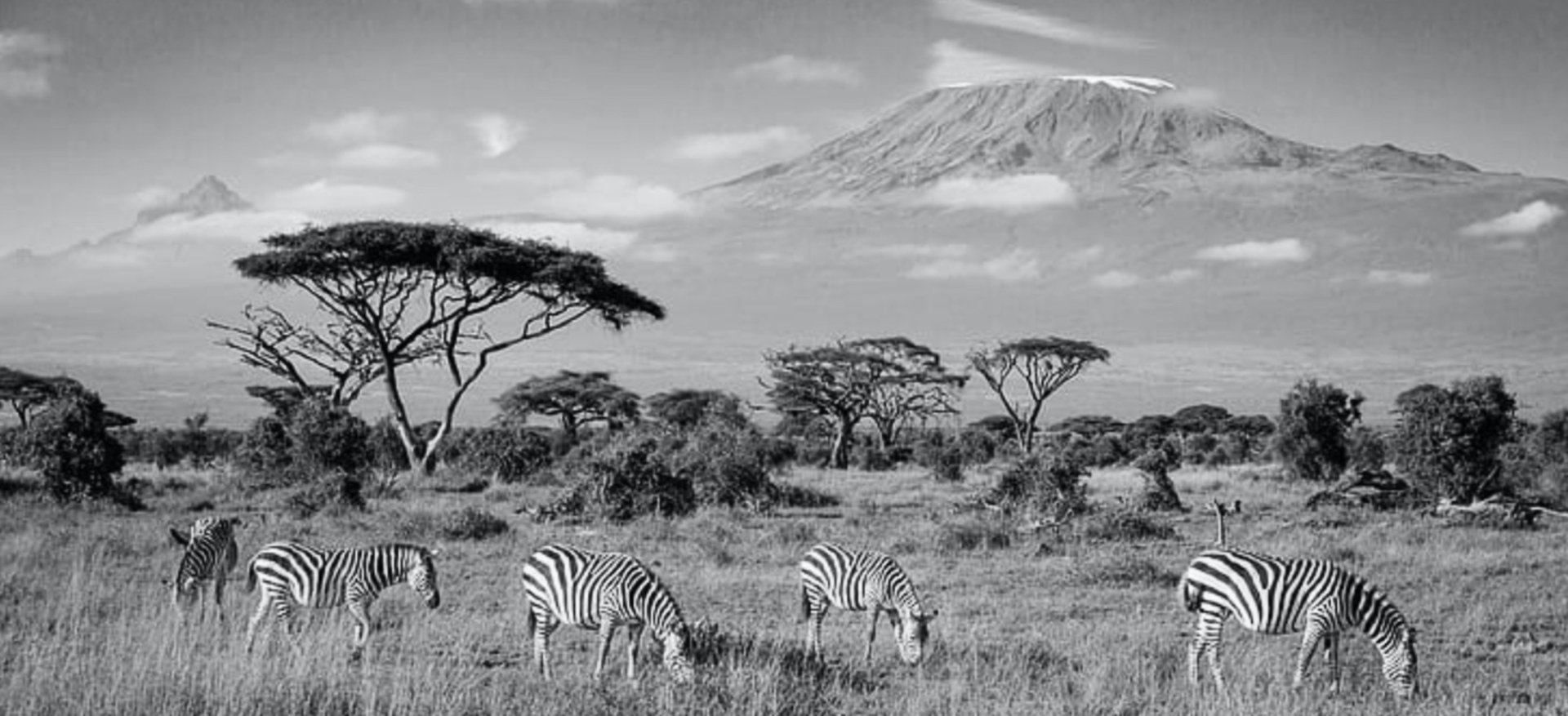
Growing up in Kenya during the late 1950s and early 1960s, I remember our safaris—safari meaning “journey” in Swahili—as grand adventures that shaped my earliest understanding of the world. We would set off at dawn in two Land Rovers laden with tents and supplies, bound for the Athi River.
After hours of driving into the bush along barely visible tracks, we would set up camp as night descended. Some of my earliest and most cherished memories are of lying in my camp bed, listening to the nocturnal chorus of crickets, frogs, and hyenas, punctuated by the occasional call of baboons, big cats, or elephants.
Clare Littleton - My Life
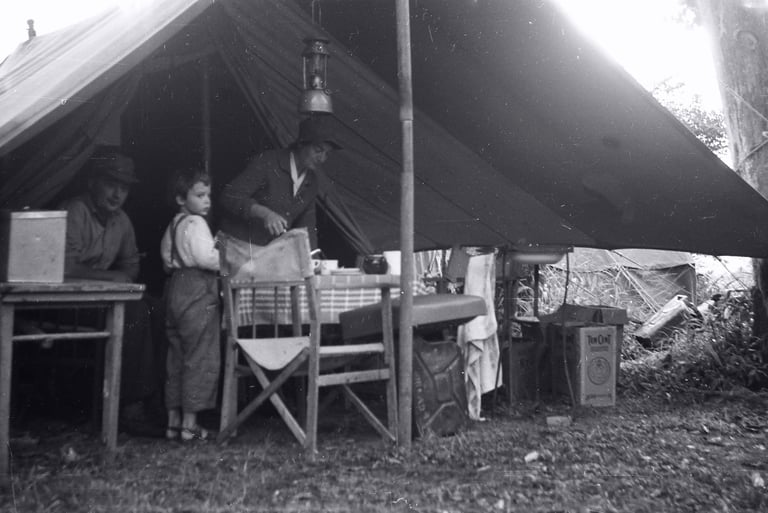
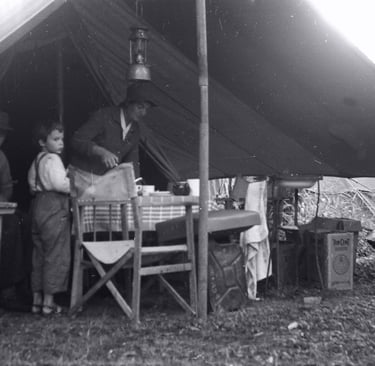
Inside the tent, the soft glow of paraffin lamps drew lizards and insects towards the light. I watched them with fascination, feeling safely cocooned within my mosquito net. Mornings brought their own surprises: baboons perched mischievously on the Land Rover, and my father’s exasperation at discovering his leather briefcase had been chewed—most likely by hyenas.
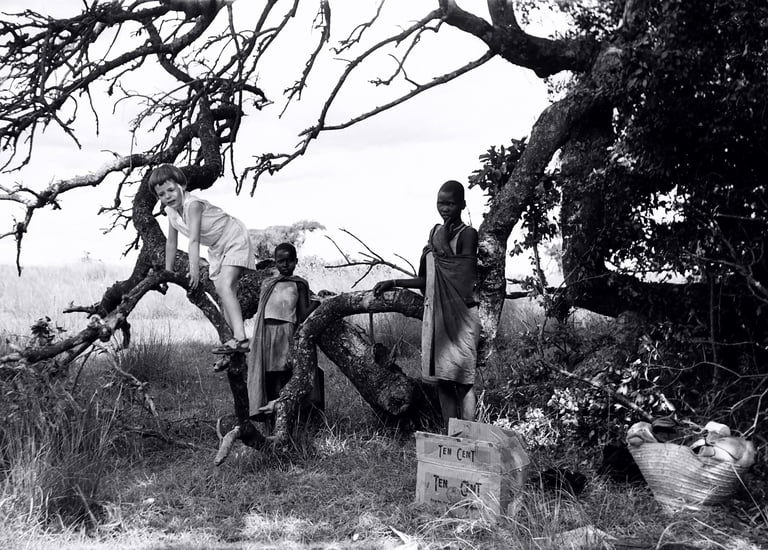
We spent many years living in Narok, which in those days was little more than a single dirt road lined with a few dukas. I loved watching Maasai warriors in the market, standing tall beside their cattle, leaning on their spears as they chatted about life’s mysteries. My love of nature—and my deep curiosity about existence—began there, surrounded by grassy plains, rolling hills, rivers, abundant wildlife, and the vivid cultural mosaic of the people who called that landscape home.
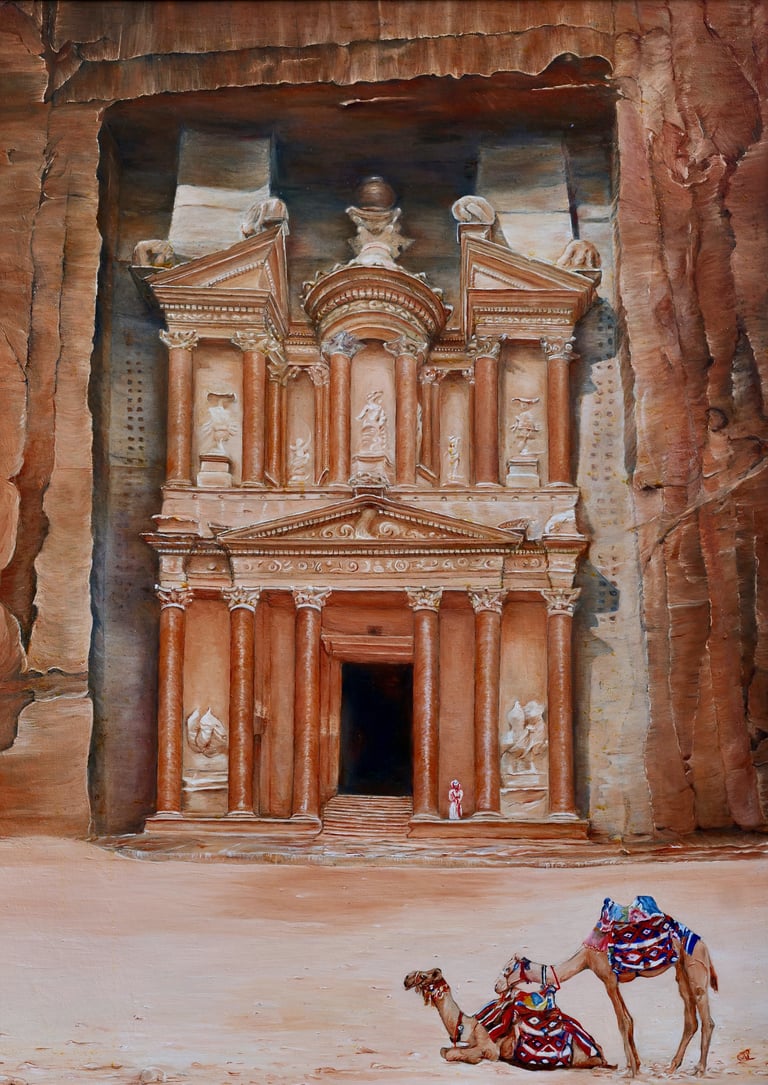
Largely self-taught, I work primarily with oils on canvas and copper. My practice is shaped by a deep appreciation for historical painting techniques: the layered Flemish methods of the old masters and the dramatic interplay of light and shadow in chiaroscuro, which together create the illusion of a three-dimensional world. When I paint, I hold these traditions in mind, using them to evoke sensuality, serenity, and mystery through the power of suggestion. From the initial spark of an idea to the final glaze, the entire process feels like a tranquil meditation.
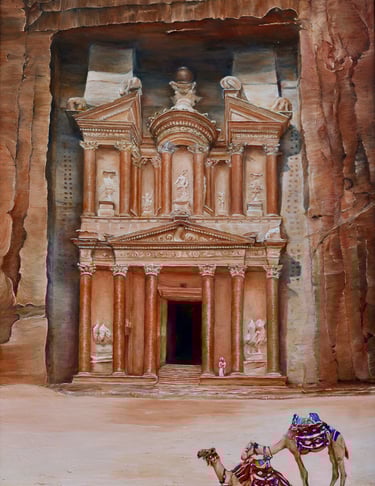
Each artwork becomes a journey of its own, as was the case with my piece, The Treasury. Each day, I rode my camel to the Treasury to paint, moving slowly through dust and desert light. Along the way, I shared conversations with friends and passers-by, letting the rhythm of the journey and the quiet moments of reflection weave themselves into the work.
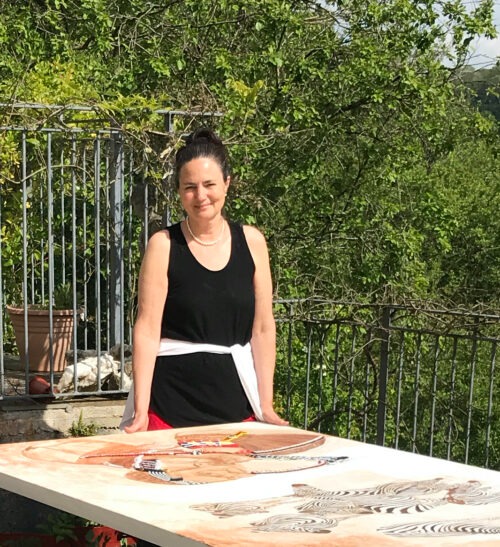
Clare Littleton spent her childhood in Kenya’s Maasai Mara, developing a lifelong appreciation for culture, community, and the natural world. Her life and work have been shaped by extensive travel and field research across Nepal, Tibet, Ethiopia, and Jordan, including time living with the Bedouin in Petra.
After establishing and running a successful hotel and villa business in Jamaica for twenty years, Clare is now based in West Wales, where she continues to work through art, photography, and teaching.
Email: hello@clarelittleton.co.uk
Whatsapp: +447931777304
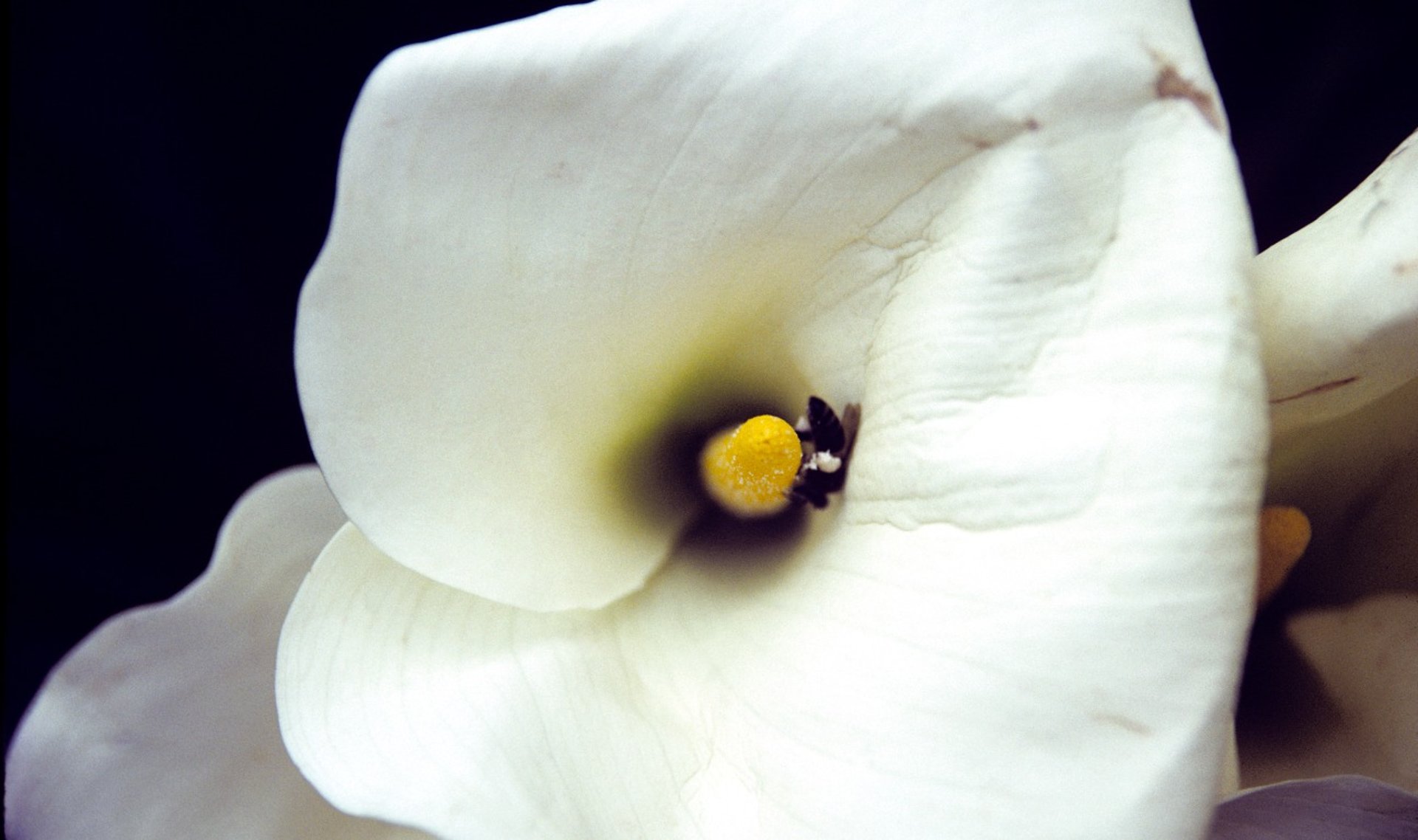
“The bee collects honey from flowers in such a way to do the least damage or destruction to them,
and he leaves them whole, undamaged and fresh, just as he found them”
Saint Francis de Sales
IN LOVE WITH NATURE
Other websites: https://learnenglishcreatively.com/