PHOTOGRAPHY
These photographs are fragments of a much larger journey—moments gathered across Tibet, Jordan, and Ethiopia, carried with me like quiet companions over the years. They offer just a glimpse of the journeys that will unfold more fully in my book one day. For now, they stand as quiet witnesses—snapshots of landscapes, faces, and moments that shaped my path, my art, and the stories I continue to tell.
TIBET
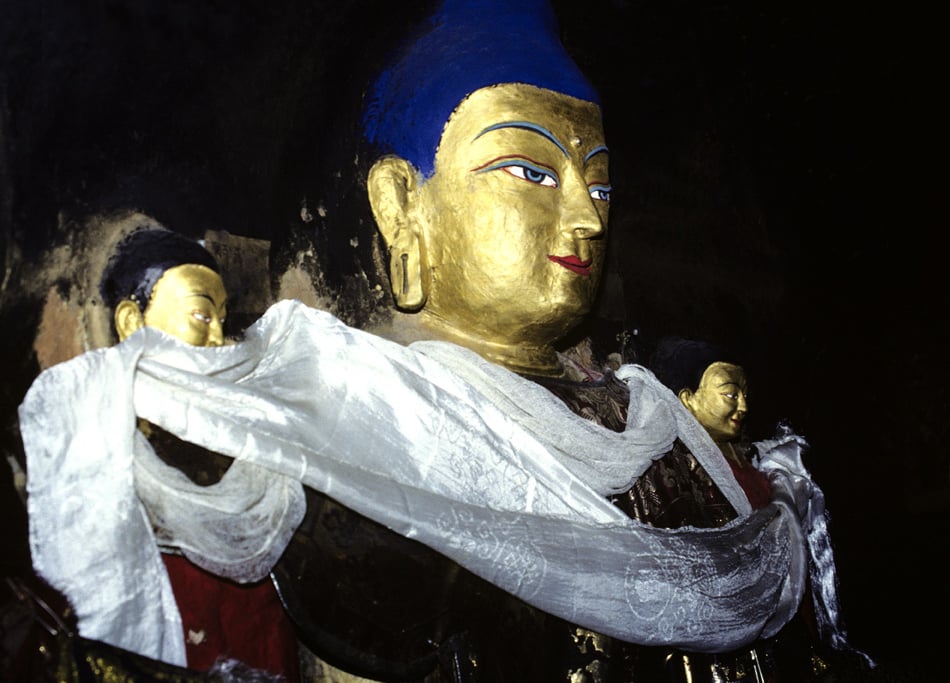
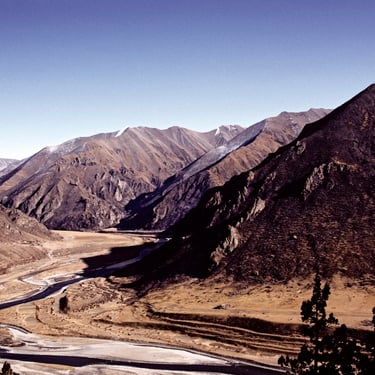
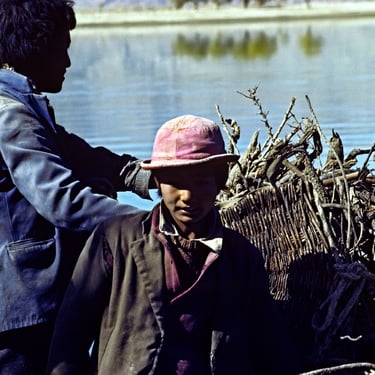
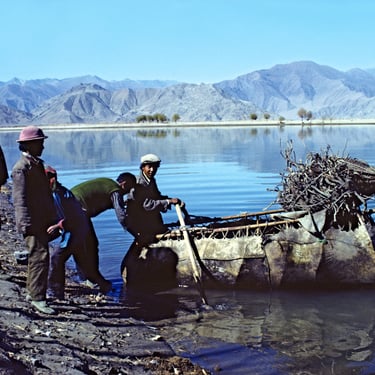
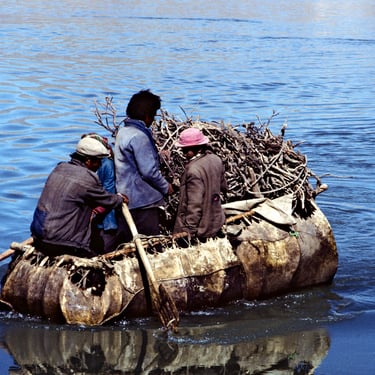
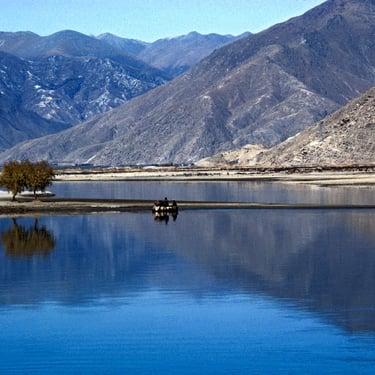
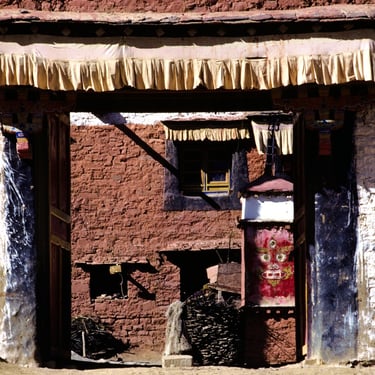
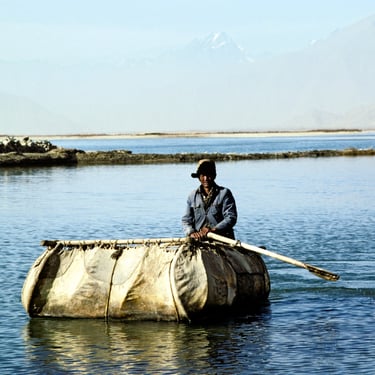
In Tibet, I travelled along the Kyichu River, researching the traditional use of coracle boats that once ferried villagers from bank to bank. That journey led me high into the mountains to Retiing, where I visited a remote nunnery that had not seen a visitor in seven years. The silence of the mountains, the devotion of the women, and the feeling of standing somewhere almost forgotten by time left an imprint I still carry.
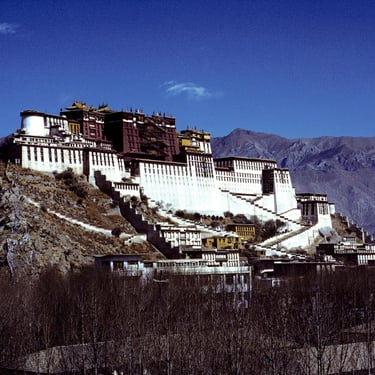
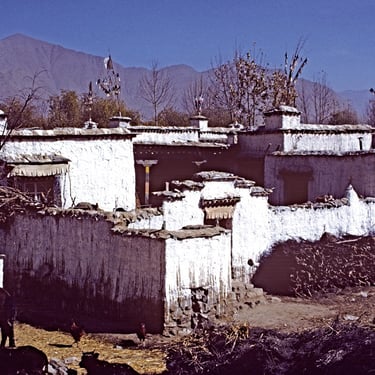
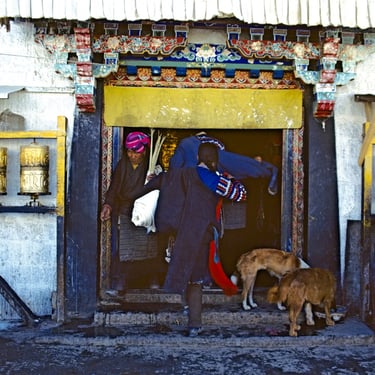
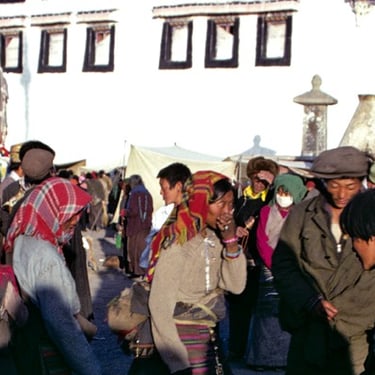
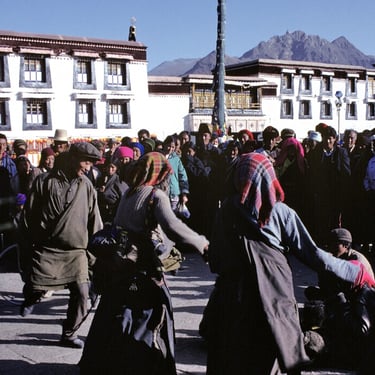
Although forbidden to take pictures or carry devices to the remote nunnery in Reting, these photographs convey the spirit of Tibet, as it was then, a land of colour, devotion, vast skies, and extraordinary resilience. Taken during my travels across the region, the images move between remote mountainous landscapes further north, to the riverbanks and coracle boats offering transportation to remote villages. They show the vibrant streets of Lhasa, where Tibetan people gather outside the Jokhang Monastery in their traditional dress, where life unfolds in a swirl of prayer flags, incense, and richly coloured garments, each face reflecting a culture that has continued to hold fast to its identity through many challenges. Their quiet strength is unmistakable.
Please click on the images to view the gallery
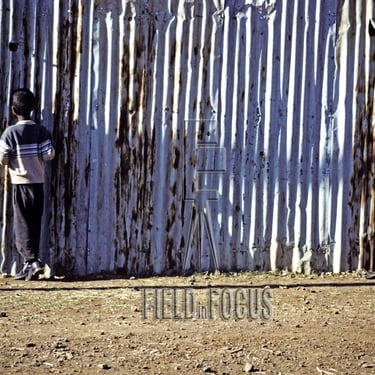
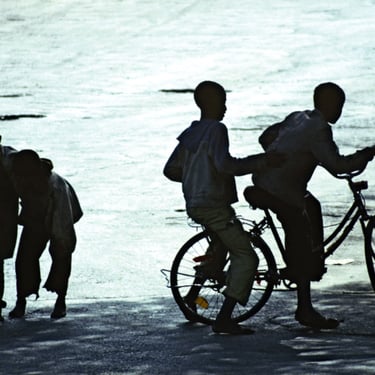
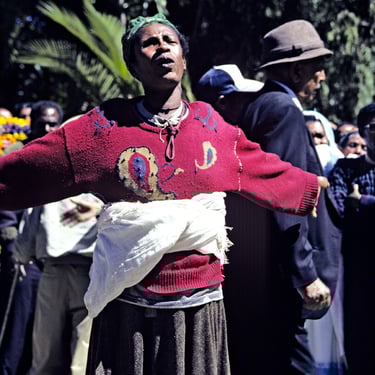
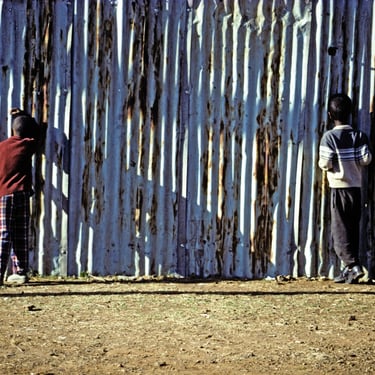
These photographs were taken during my time in Addis Ababa, where I travelled as a researcher to understand the daily lives of the city’s estimated one million street children. Out of respect for their privacy, I have included only a small selection of images—silhouettes captured in moments of movement, stillness, and quiet reflection on the streets they call home. Even in blurred outlines, their strength speaks clearly. I was deeply moved by the resilience of these young people, who formed their own family-like groups for protection, companionship, and survival. Within these fragile communities, they created bonds that were both tender and fiercely loyal, supporting one another in ways that remain unforgettable.
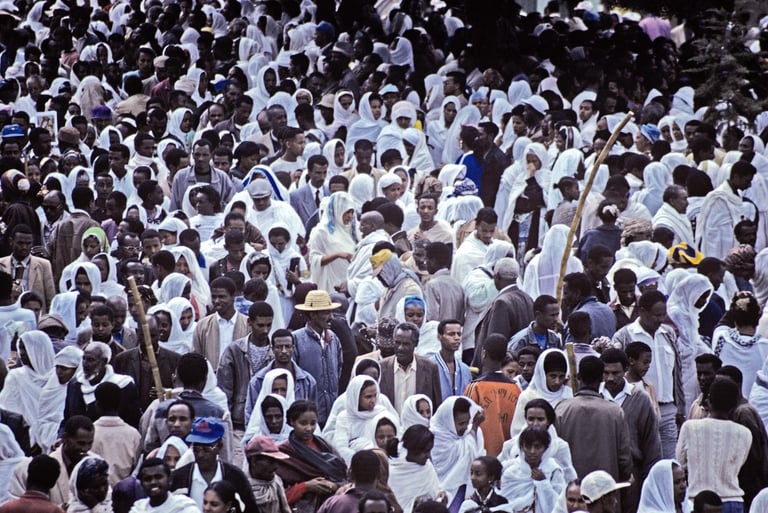
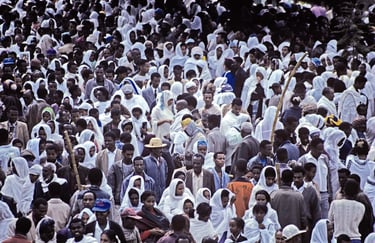
Some of the images in this gallery were taken during a significant moment in Ethiopia’s modern history: the final reburial of Emperor Haile Selassie in Addis Ababa. Though he died in 1975, his remains were hidden away for many years, only to be discovered in 1992 and finally laid to rest with dignity in the Imperial family vaults of the Holy Trinity Cathedral in 2000. I photographed the crowds, the solemn gatherings, and the quiet reverence that filled the air—a moment of collective remembrance that felt both historic and profoundly human.
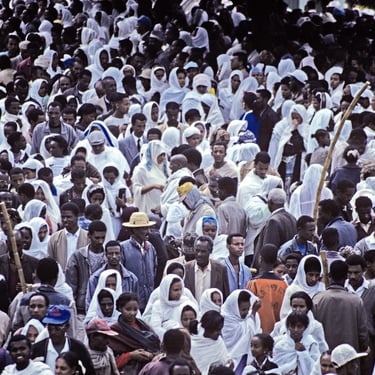
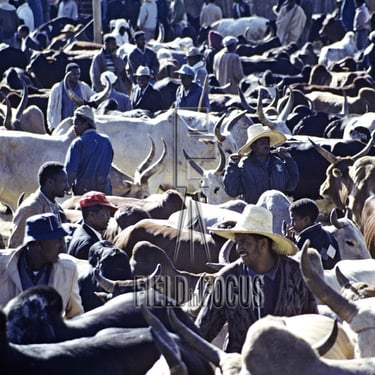
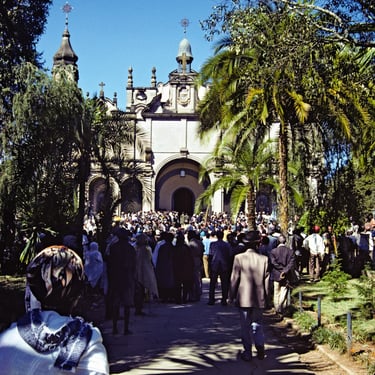
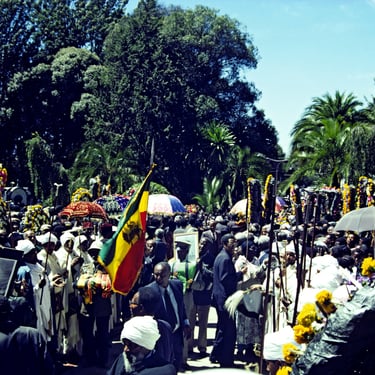
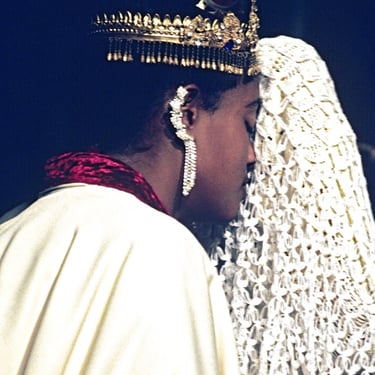
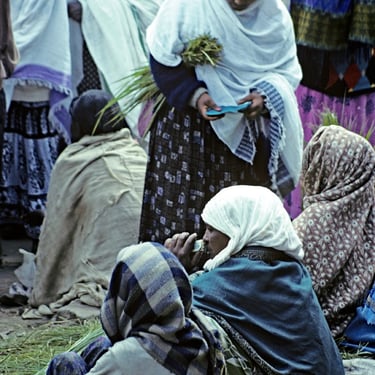
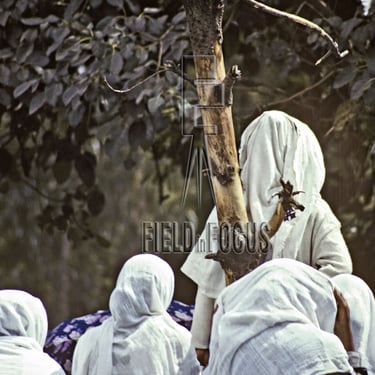
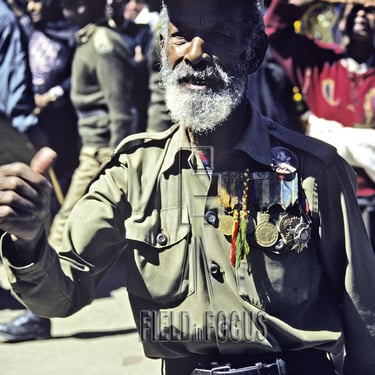
ADDIS ABABA - ETHIOPIA
Please click on the images to view the gallery
PETRA - JORDAN
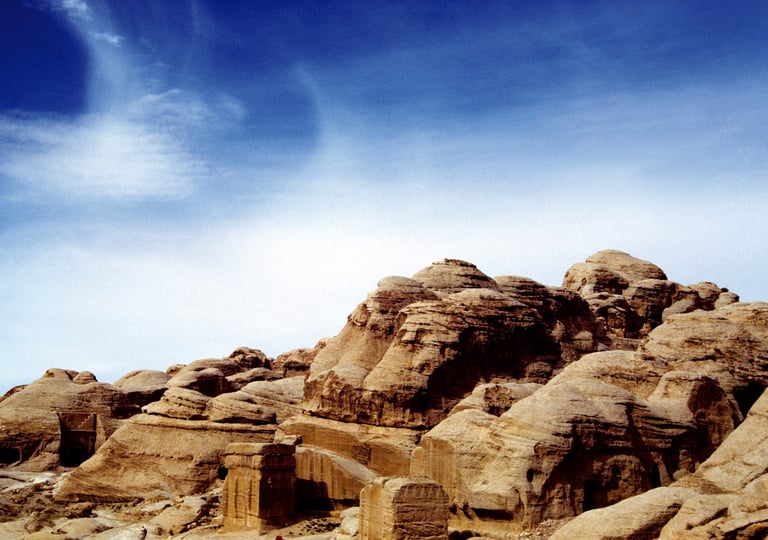
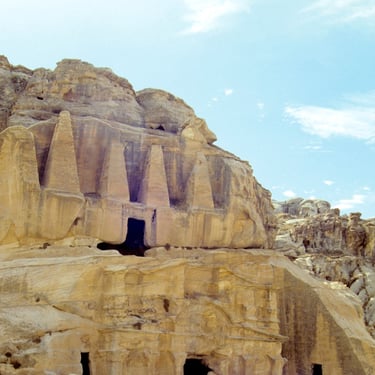
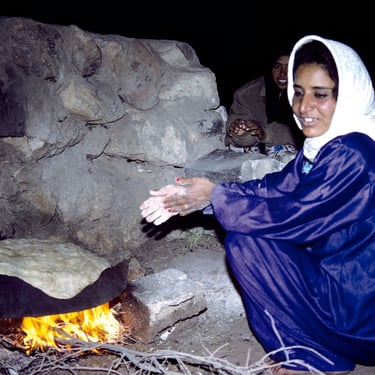
These photographs were taken during the time I lived with the Bedouin in the caves of Petra - an experience that shaped me far more deeply than I ever expected. The Bedouin are among the most hospitable people I have known; they welcomed me without hesitation, shared their food, their stories, their laughter, and their way of life.
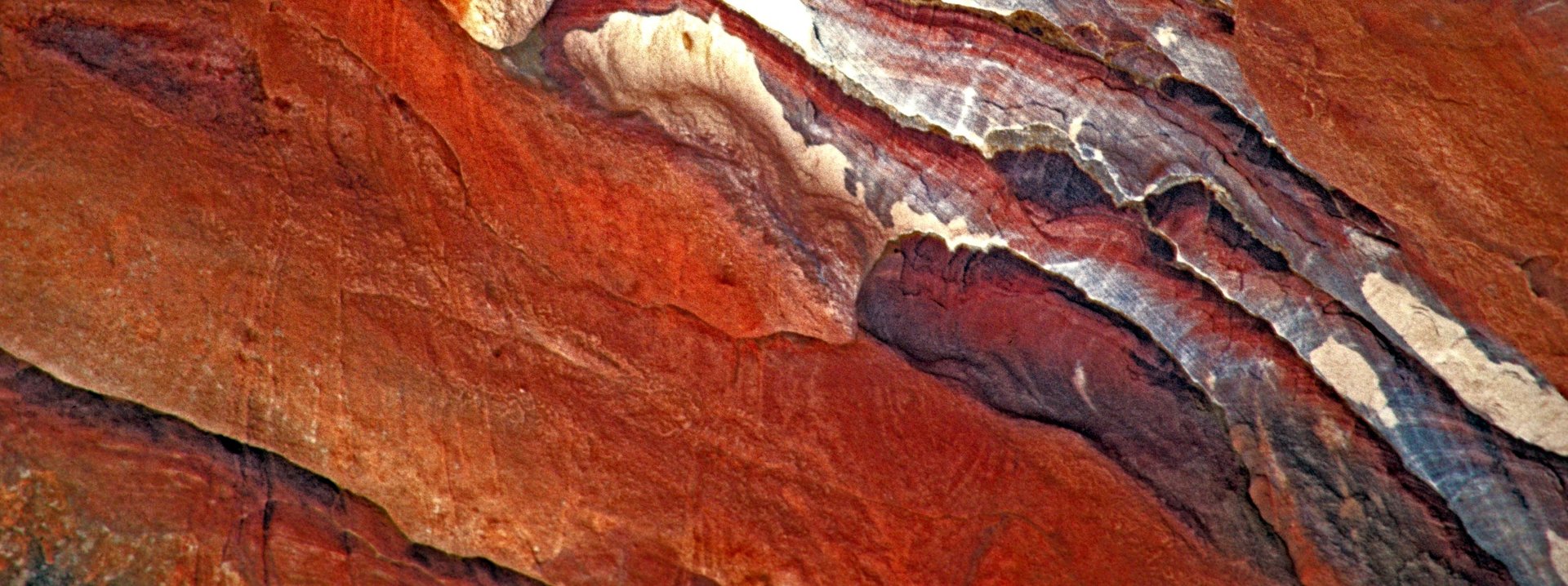
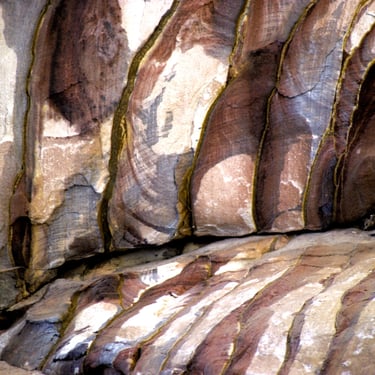
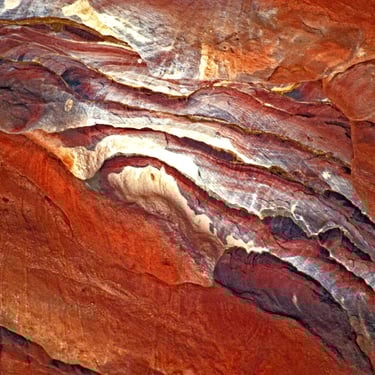
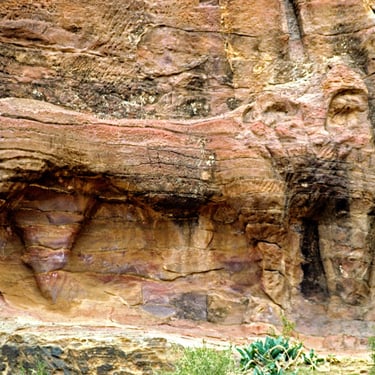
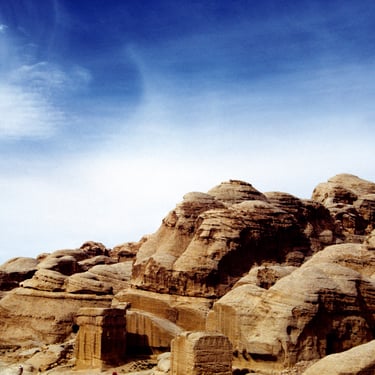
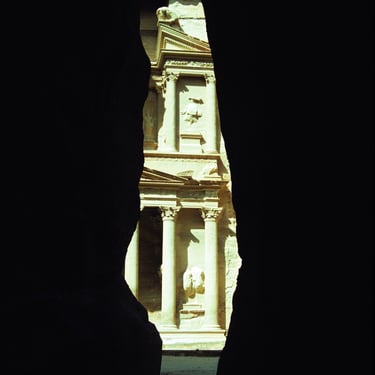
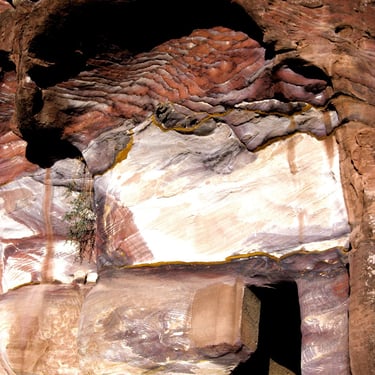
My days were spent travelling through Petra on camelback, exploring the ancient rose-red city carved by the Nabataeans more than two thousand years ago. Petra is extraordinary not only for its monumental façades—such as the iconic Treasury and Monastery—but also for its hidden pathways, weathered tombs, winding canyons, and shifting colours that change with every hour of sunlight. The sandstone cliffs hold layers of history in their striated patterns, the result of centuries of wind, water, and time shaping the landscape into natural sculptures.
Living in this environment offered me a rare intimacy with the place. I woke to the soft bleating of goats climbing over me as the first light crept across the horizon, watched shadows move like slow brushstrokes across the rock, and sat with the Bedouin as they brewed tea over open fires, speaking about the land, the old stories, and the ways of their ancestors. Petra, in its silence and splendour, felt alive—a meeting point between the ancient world and the present.
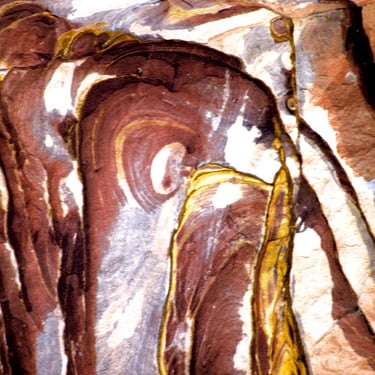
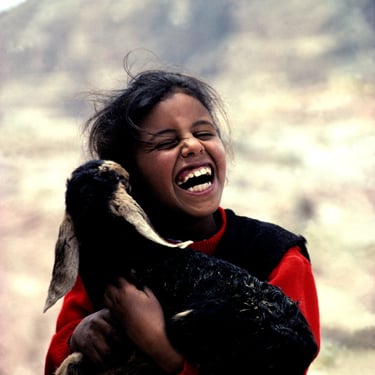
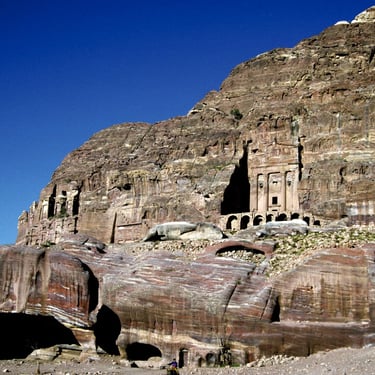
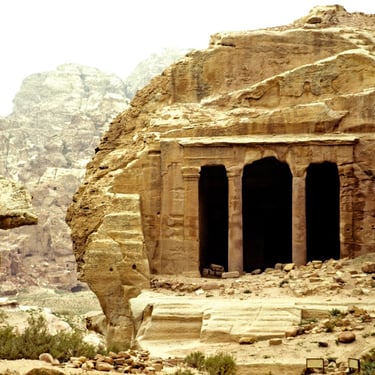
Please click on the images to view the gallery
BADIA - JORDAN
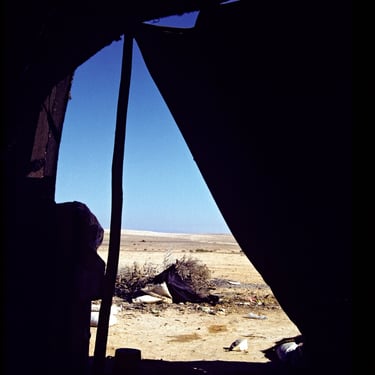
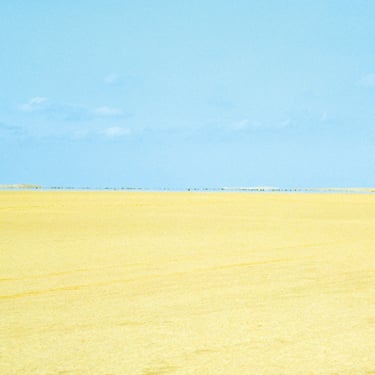
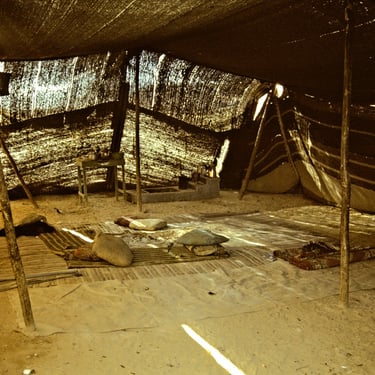
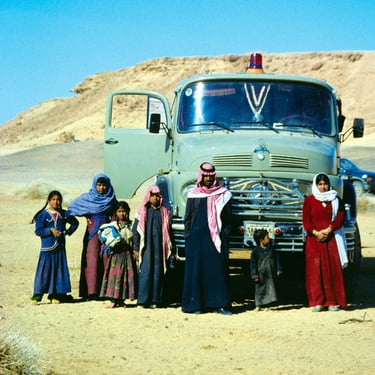
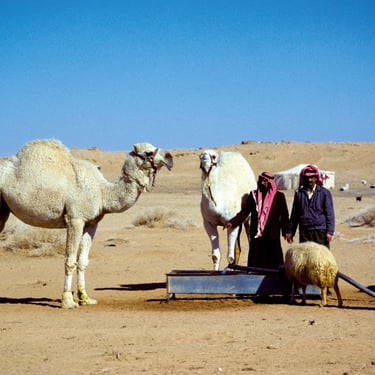
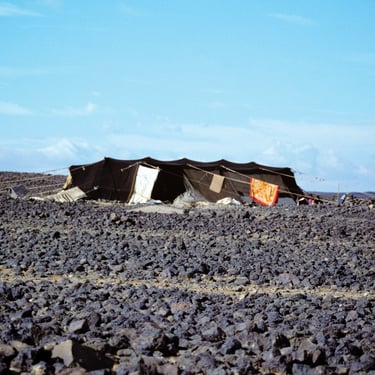
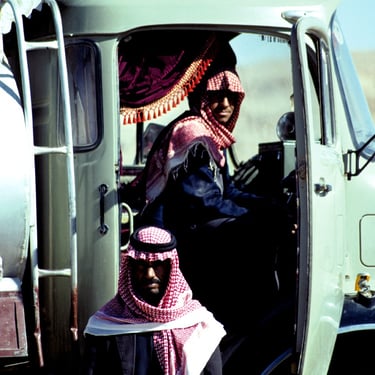
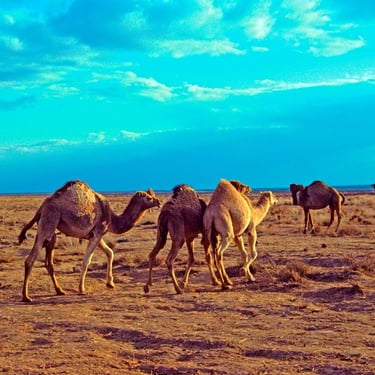
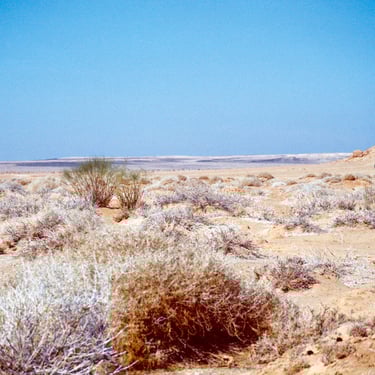
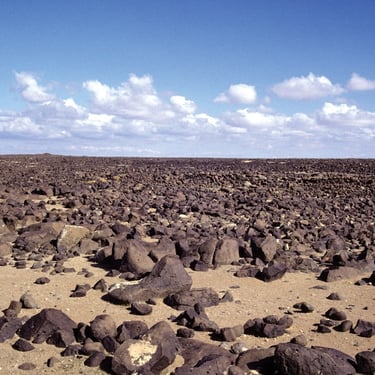
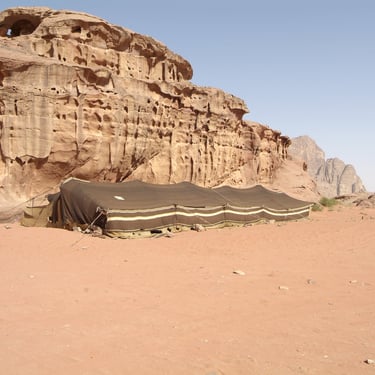
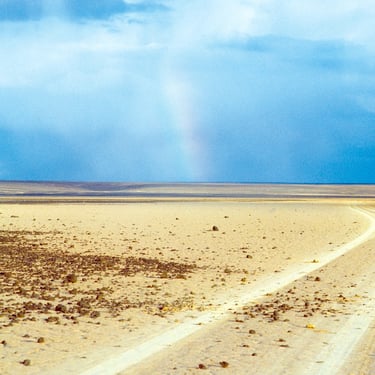
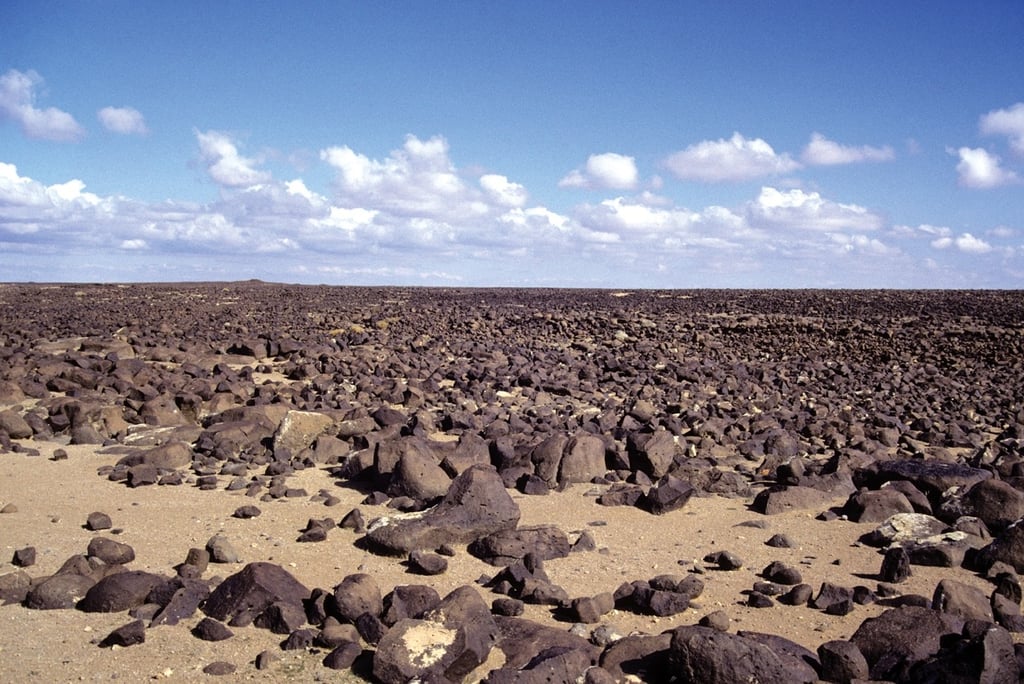
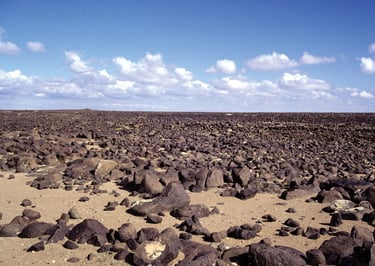
I travelled onward into the Badia region, scattered with black basalt stones, as part of a research team studying the use of antibiotics among pastoral communities. Staying with Bedouin families in their tents, I listened to stories shaped by the desert, by survival, by a culture that holds both hospitality and hardship with equal grace. At first glance, the Badia appears almost impenetrable: a sweeping expanse broken only by ancient volcanic hills that rise dark and brooding on the horizon. Millions of years ago, these volcanoes sent rivers of lava across the desert, leaving behind endless fields of black basalt stones. They stretch so widely and densely that it is said the entire population of Jordan would need 10,000 years to clear them. For travellers on foot or by vehicle, this terrain offers resistance at every turn, its silence and stillness both intimidating and mesmerising.
Yet amid this stark and seemingly unforgiving landscape, the Bedouin continue to live with remarkable resilience. During my stay with them in their tents, I witnessed how deeply attuned they are to the land - its rhythms, its hardships, its hidden generosity. Life in the Badia demands resourcefulness and patience, and the Bedouin embody both with a grace that feels timeless.
Please click on the images to view the gallery
Email: hello@clarelittleton.co.uk
Whatsapp: +447931777304
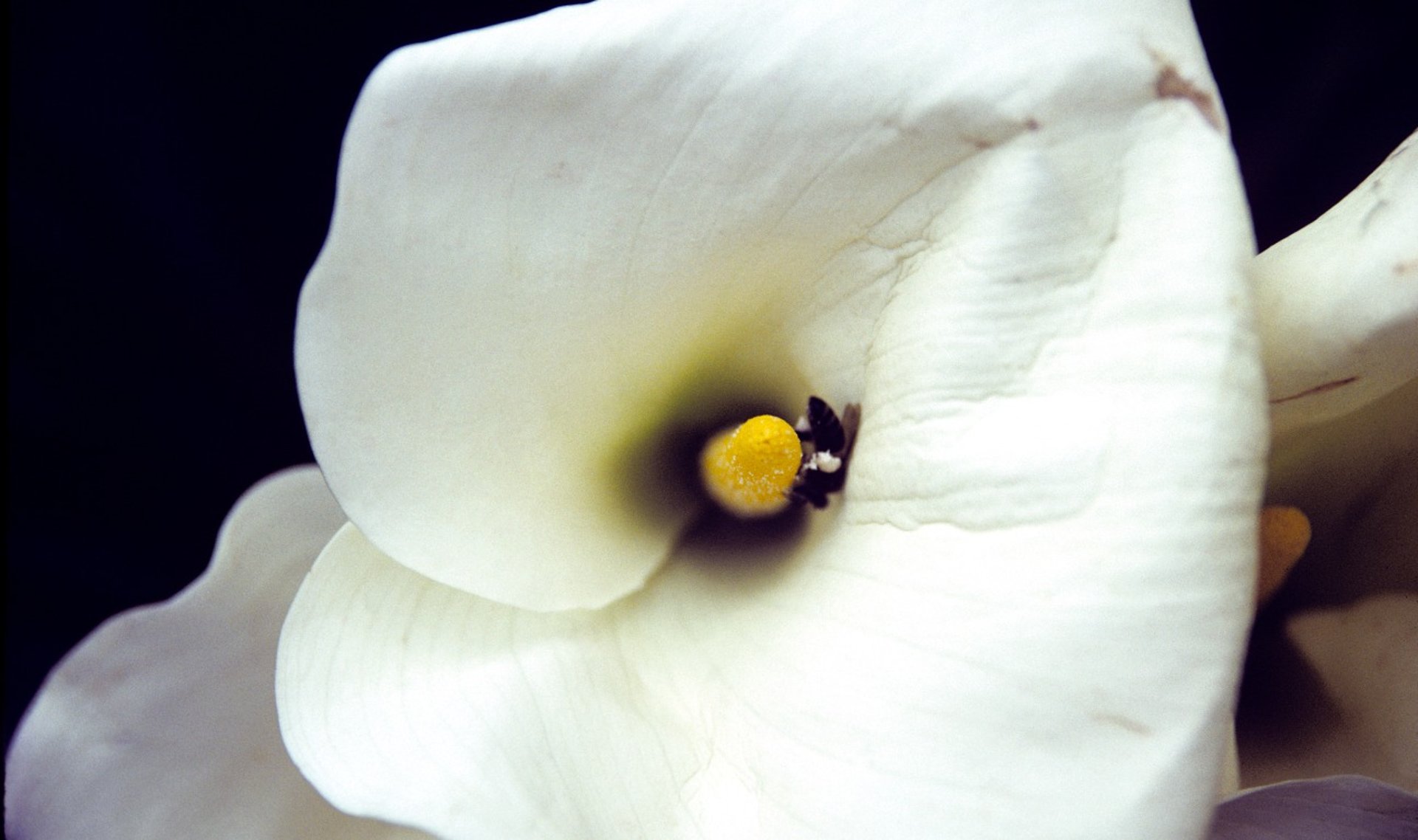
“The bee collects honey from flowers in such a way to do the least damage or destruction to them,
and he leaves them whole, undamaged and fresh, just as he found them”
Saint Francis de Sales
IN LOVE WITH NATURE
Other websites: https://learnenglishcreatively.com/